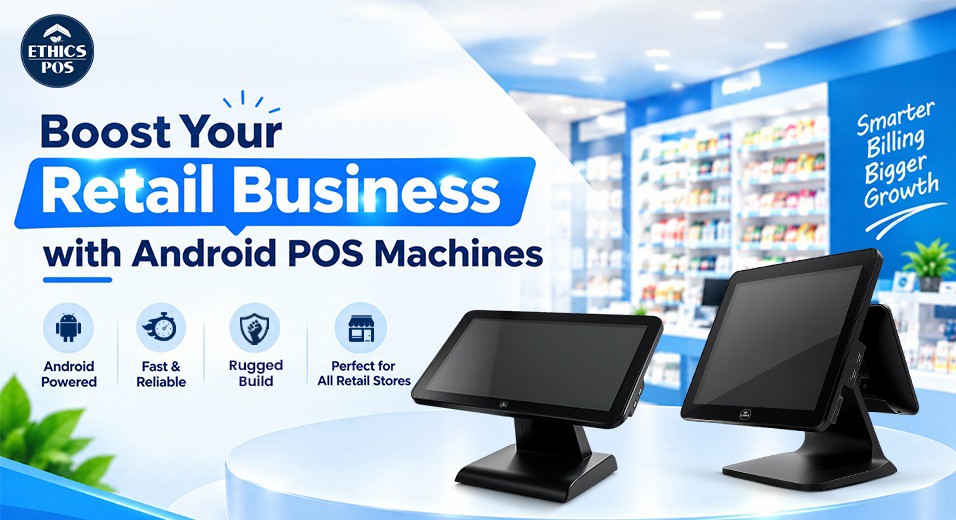
In today's fast-paced retail environment, businesses are increasingly turning to handheld Android POS machines to streamline operations, enhance customer experiences, and stay competitive. These devices offer a blend of mobility, flexibility, and cost-effectiveness, making them a compelling choice for retailers of all sizes.
Understanding Android POS Machine?
An Android POS machine is a point-of-sale system powered by the Android operating system. Unlike traditional POS systems, which often rely on proprietary software and hardware, Android POS machines leverage Android's versatility and familiarity, letting businesses run POS apps on a wide range of devices, from smartphones and tablets to dedicated handheld terminals.
These systems are particularly well-suited for Android retail POS applications, where mobility and real-time data access are crucial. Retailers can process transactions, manage inventory, and access customer data from virtually anywhere on the sales floor, enhancing both efficiency and customer service.
The Rise of Handheld Android POS in Retail
Handheld Android POS devices are reshaping the retail landscape. These portable terminals allow sales associates to assist customers, check out purchases, and manage inventory without being tethered to a fixed register. This mobility leads to several key benefits:
Reduced Wait Times: By processing transactions on the spot, handheld POS systems eliminate long lines and improve overall customer satisfaction.
Enhanced Customer Engagement: Sales associates can access product information, check stock levels, and offer personalized recommendations in real-time, fostering a more interactive shopping experience.
Increased Sales Opportunities: With the ability to complete sales anywhere in the store, retailers can capitalize on impulse buys and upsell opportunities that might be missed at traditional checkout counters.
Key Benefits of Android POS Machines
Cost-Effectiveness
Android POS machines often come at a lower upfront cost compared to traditional systems. Their open-source nature allows for a wide range of compatible hardware, reducing the need for expensive proprietary equipment. Additionally, many Android POS applications operate on a subscription basis, offering scalability without significant capital investment.
Flexibility and Scalability
As retail businesses grow, their POS systems need to scale accordingly. Android POS machines offer the flexibility to add new devices and functionalities as needed. Whether expanding to new locations or introducing additional sales channels, these systems can adapt to changing business requirements.
Real-Time Data Access
With cloud-based Android POS applications, retailers can access real-time sales data, inventory levels, and customer information from anywhere. This immediacy enables quicker decision-making and more agile business operations.
Integration Capabilities
Android POS systems can integrate seamlessly with other business tools, such as accounting software, customer relationship management (CRM) systems, and e-commerce platforms. This integration ensures a unified approach to business management, reducing manual data entry and the potential for errors.
Considerations When Implementing Handheld Android POS
While the benefits are clear, there are several factors retailers should consider before adopting handheld Android POS systems:
Device Durability: Retail environments can be demanding. It's essential to choose handheld devices that are rugged and capable of withstanding drops, spills, and other potential hazards.
Battery Life: Since these devices are mobile, long battery life is crucial to ensure they can last through a full shift without needing a recharge.
Security: Ensuring that the Android POS system complies with industry standards for data protection and payment security is vital to protect both customer information and the business.
Training: Staff will need adequate training to effectively use the new system, minimizing disruptions and maximizing the benefits of the technology.
Future Outlook
The global Android POS market is experiencing significant growth, with projections indicating a substantial increase in adoption rates over the coming years. As retailers continue to seek ways to enhance operational efficiency and customer satisfaction, the role of handheld Android POS machines is expected to become even more prominent.
Innovations in mobile technology, such as improved NFC capabilities and enhanced integration with other retail systems, will further bolster the effectiveness of these devices. Retailers who embrace these advancements will be well-positioned to meet the evolving demands of the modern consumer.
Conclusion
Handheld Android POS machines are revolutionizing the retail industry by offering a blend of mobility, flexibility, and cost-effectiveness. By adopting these systems, retailers can enhance customer experiences, streamline operations, and position themselves for future growth in an increasingly digital marketplace.